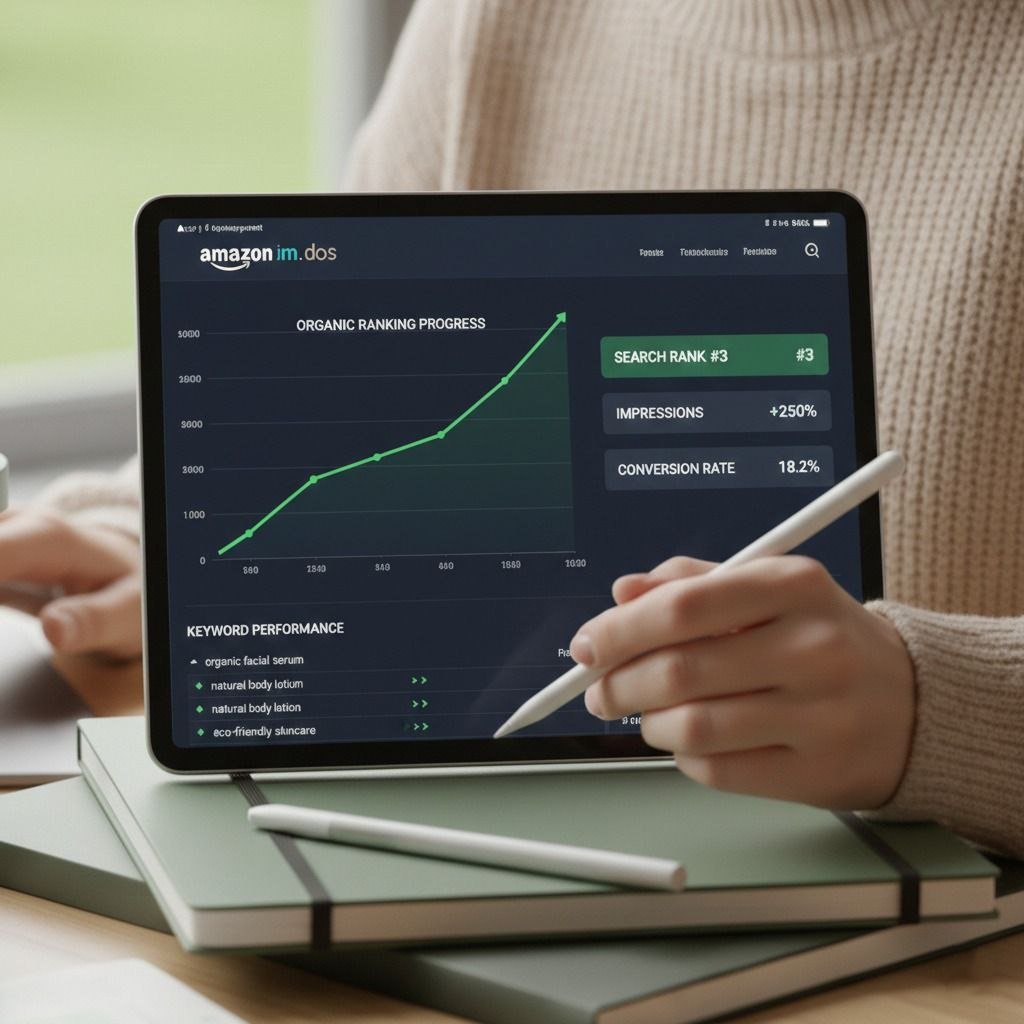
Ranking Optimization
Absolutely! Let’s go step by step. Ranking Optimization—especially on e-commerce platforms like Amazon, Noon, or other marketplaces—is about improving the visibility of your products so they appear higher in search results and category listings. The higher your product ranks, the more likely customers are to see it and buy it. Managing ranking optimization is a mix of data analysis, content strategy, and continuous testing.
How Ranking Optimization Is Done
-
Keyword Research & Optimization: Product ranking depends heavily on relevance—how closely your listing matches what customers search for. Identify high-volume, relevant keywords using tools (Helium 10, Jungle Scout, marketplace search reports) and include long-tail keywords that often convert better. Map primary keywords into the title and backend terms, and secondary keywords into bullet points, description, and A+ content. Optimize backend search terms without repetition or irrelevant keywords.
-
Listing Content Optimization: Strong content improves both discoverability and conversion. Build readable, keyword-led titles that include brand, product type, and key differentiators. Use bullet points to highlight benefits and value propositions while naturally integrating secondary keywords. Strengthen description and A+ content with rich text, images, comparison charts, and clear storytelling. Use high-quality images (including lifestyle) and videos to improve engagement and sales.
-
Pricing Strategy: Marketplaces often reward products with strong sales velocity and competitive pricing. Monitor competitor pricing and adjust with dynamic pricing when needed. Use promotional pricing—discounts, coupons, and time-limited offers—to increase sales velocity and improve organic ranking.
-
Inventory & Availability Management: Rankings drop fast when a product goes out of stock. Monitor stock levels and forecast demand to prevent stockouts. Where possible, use marketplace fulfillment (e.g., FBA) to improve delivery speed, reliability, and ranking support.
-
Review & Rating Optimization: Reviews influence click-through rate (CTR) and conversion rate, which affects ranking. Encourage reviews ethically through compliant review requests and post-purchase follow-ups. Manage negative reviews professionally, resolve customer issues quickly, and reduce recurring problems that harm ratings.
-
Advertising & Traffic Generation: Paid media supports organic growth by increasing traffic and sales velocity. Run Sponsored Ads/PPC campaigns targeting high-volume keywords, using both automatic and manual structures to learn and scale. Drive external traffic through social media, email marketing, and influencer campaigns to increase visibility and conversions.
-
Conversion Rate Optimization (CRO): Platforms favor listings that convert well after the click. Run A/B tests on titles, main images, and bullet points. Improve engagement with enhanced content such as comparison charts, videos, and lifestyle images to lift conversion rate organically.
-
Monitoring & Analytics: Ranking optimization must be data-led. Track key metrics such as organic keyword ranking, CTR, conversion rate, sales velocity, and revenue. Use marketplace dashboards and third-party tools (Helium 10, Sellics, DataHawk). If rankings drop, take action by adjusting pricing, updating content, refining ads, or re-optimizing for new keyword trends.
-
Continuous Improvement: Ranking optimization is cyclical, not one-time. Track performance to identify underperforming ASINs, test changes (keywords, content, ads, pricing), measure results, and repeat what works—continuously.
Outcome
-
Higher visibility in search and category listings
-
Stronger CTR and conversion rates
-
Improved sales velocity and organic ranking stability
-
Sustainable growth through ongoing optimization and testing